What are the most common venomous snakes in Florida?
Florida is home to six venomous snake species: Eastern Diamondback Rattlesnake, Pigmy Rattlesnake, Cottonmouth, Eastern Coral Snake, Copperhead, and Timber Rattlesnake. The Cottonmouth and Eastern Diamondback Rattlesnake are among the most frequently encountered, especially in rural and wetland areas. Recognizing these distinct species is key for outdoor safety.
Where can I find a reliable venomous snake map for Florida?
Reliable venomous snake maps for Florida are often available through official sources. The Florida Fish and Wildlife Conservation Commission (FWC) website, university extension offices, and local state park visitor centers are excellent resources. These maps provide general distribution information, helping you understand where specific species are more prevalent.
How can I tell if a snake in Florida is venomous?
Identifying venomous snakes in Florida can be challenging and is best done from a distance. Key indicators include triangular-shaped heads (rattlesnakes, cottonmouths, copperheads), rattles on rattlesnakes' tails, and the distinctive red-on-yellow banding pattern of the Eastern Coral Snake. However, never approach a snake to identify it; observe from afar or assume it is venomous.
What should I do if I see a venomous snake on a Florida trail?
If you encounter a venomous snake on a Florida trail, stay calm and slowly back away, giving it a wide berth. Do not provoke or attempt to interact with the snake. Allow it to move away naturally. Report the sighting to park rangers or trail authorities if it is in a high-traffic area to alert others.
What are the first steps after a venomous snake bite in Florida?
After a venomous snake bite in Florida, immediately call 911. Stay calm, remove any tight clothing or jewelry from the bitten limb, and keep the bitten area still and below heart level. Do not cut the wound, suck out venom, apply ice, or use a tourniquet. Rapid medical attention is crucial.
Are there specific regions in Florida with more venomous snakes?
Yes, certain regions and habitats in Florida tend to have higher concentrations of venomous snakes. Wilderness areas, extensive pine forests, swamps, and wetland environments often harbor more species like rattlesnakes and cottonmouths. Rural areas and undeveloped lands generally present a greater chance of encounters than densely populated urban centers.
Venomous snakes Florida map, Florida snake identification, what venomous snakes are in Florida, snake bite emergency Florida, how to avoid snakes Florida, Florida wildlife safety, local snake awareness, Florida trail safety, cottonmouth map Florida, coral snake habitat FloridaUnderstanding the distribution of venomous snakes across Florida is crucial for residents and visitors alike, especially for those who enjoy outdoor activities like hiking, camping, or fishing. This comprehensive guide helps you identify the six species of venomous snakes found in Florida: Eastern Diamondback Rattlesnake, Pigmy Rattlesnake, Cottonmouth, Coral Snake, Copperhead, and Timber Rattlesnake. By utilizing available venomous snake maps and local resources, you can better understand their habitats and typical locations. This information is vital for preventing encounters and ensuring your safety. Learn what these maps show, how to interpret them for your local area or travel plans, and essential steps to take for snake bite prevention and emergency response. Knowing where these creatures prefer to live empowers you to explore Florida's natural beauty with confidence, making it a key search for any US local guide or outdoor enthusiast.
- How many types of venomous snakes live in Florida? - Florida is home to six distinct species of venomous snakes. These include the Eastern Diamondback Rattlesnake, Pigmy Rattlesnake, Cottonmouth, Eastern Coral Snake, Copperhead, and Timber Rattlesnake. Knowing these species helps residents and visitors stay safe outdoors.
- What is the most dangerous venomous snake in Florida? - The Eastern Diamondback Rattlesnake is often considered the most dangerous venomous snake in Florida due to its large size, potent venom, and long fangs. However, all venomous snake bites require immediate medical attention, regardless of the species involved.
- Where are Florida's venomous snakes usually found? - Florida's venomous snakes are typically found in specific habitats. Cottonmouths prefer aquatic environments like swamps and ponds, while rattlesnakes inhabit dry pinelands and scrub. Coral snakes often reside in leaf litter and under logs, and Copperheads are more localized in the Panhandle.
- Can a Florida coral snake bite be deadly? - Yes, a Florida coral snake bite can be deadly if not treated promptly. Their venom is neurotoxic, affecting the nervous system. Bites are rare due to their reclusive nature, but medical attention is critical. Symptoms may be delayed, making immediate care even more vital.
- What do you do if bitten by a cottonmouth in Florida? - If bitten by a cottonmouth in Florida, immediately call 911. Stay calm, keep the bitten limb still and below heart level, and remove any jewelry or tight clothing. Do not attempt to treat the bite yourself; professional medical care with antivenom is essential.
- Is it safe to hike in Florida with venomous snakes? - Yes, it is generally safe to hike in Florida, but awareness of venomous snakes is crucial. Stay on marked trails, wear sturdy boots, and watch where you step. Most snakes avoid human contact, and bites are rare when proper precautions are observed.
- Does Florida have copperhead snakes? - Yes, Florida does have copperhead snakes, specifically in the western Panhandle region. Their range is limited compared to other venomous species. They prefer wooded hillsides and rocky areas, often near water. Proper identification and caution are advised in these specific areas.
Understanding Florida's Venomous Snakes and Their Habitats
Florida, with its diverse ecosystems, is home to a variety of wildlife, including six species of venomous snakes. For anyone enjoying the state's natural beauty, from the Panhandle to the Everglades, understanding these reptiles and their habitats is a matter of personal safety. Knowing where these snakes typically live and how they behave can significantly reduce the risk of an encounter. This knowledge is not just for herpetologists; it is practical information for everyday Floridians and tourists seeking outdoor adventures, offering peace of mind during explorations.
These six species include the Eastern Diamondback Rattlesnake, the Pigmy Rattlesnake, the Cottonmouth (Water Moccasin), the Eastern Coral Snake, the Copperhead, and the Timber Rattlesnake. Each species has unique characteristics and preferred environments. Recognizing the general appearance and habits of these snakes is a critical first step in prevention. For instance, cottonmouths are often found near water, while rattlesnakes typically prefer drier, more forested areas. Understanding these distinctions helps outdoor enthusiasts stay vigilant and enjoy their activities safely.
Maps showing the general distribution of venomous snakes across Florida are invaluable tools. While these maps provide broad insights into regions where specific species are more prevalent, they are not exact, real-time trackers. Instead, they offer a guide to understanding potential risk areas. Local guides and park services often provide more detailed, localized information, which is excellent for planning specific trips to state parks or wilderness areas. Consulting these resources allows you to appreciate Florida's wildlife while maintaining a respectful and safe distance.
How to Interpret a Florida Venomous Snake Map
A Florida venomous snake map is a general guide, illustrating the typical habitats and reported ranges of the state's dangerous snakes. These maps usually highlight broad geographic areas where each species is most likely to be found. For instance, a map might show high concentrations of Eastern Diamondback Rattlesnakes in pine forests across much of the state, or indicate that Copperheads are primarily found in the Panhandle region. It is important to remember that snakes are wild animals and can sometimes be found outside their typical ranges, especially during periods of flooding or construction.
When planning an outdoor excursion, consult these maps in conjunction with local park information or wildlife guides. If you are heading to a specific state park or wildlife management area, check their official websites or visitor centers for current warnings or specific snake sightings. Understanding the local terrain and vegetation also helps. For example, if a map indicates a high cottonmouth presence near a swampy hiking trail, wearing waterproof boots and staying alert near water bodies becomes even more critical. These maps empower you to make informed decisions about your activities.
The value of a venomous snake map lies in its ability to inform your preventative actions. Knowing that coral snakes, for example, often hide in leaf litter or under logs, means you should exercise extra caution when reaching into such areas. For local residents, understanding the general distribution can also impact yard work or gardening practices. Always consider the map as a foundational resource, but pair it with direct observation and an understanding of snake behavior to ensure maximum safety. Maps are a starting point, not the entire solution.
Preventing Encounters and What to Do If Bitten
Best Practices for Avoiding Snake Bites in Florida
Avoiding snake bites in Florida involves adopting several smart habits when enjoying the outdoors. The most effective strategy is to stay on marked trails and paths, especially in areas known for snake activity. When walking, always look where you are stepping and placing your hands. Never reach into dense vegetation, under logs, or into crevices without first visually inspecting the area. Wearing appropriate footwear, such as sturdy, closed-toe shoes or boots, offers a crucial layer of protection against accidental bites, as many bites occur on the feet or ankles.
If you encounter a snake, the best action is to give it plenty of space. Snakes are typically not aggressive unless provoked or cornered. Back away slowly and allow the snake to move off on its own. Never attempt to handle, capture, or kill a snake, even if you believe it is non-venomous. Most venomous snake bites happen when people try to interact with the snake. Remember that all snakes play an important role in Florida's ecosystem, and observing them from a safe distance respects their natural habitat and keeps you safe.
Be extra cautious in specific environments that serve as common hiding spots for snakes. These include piles of leaves, woodpiles, rocky areas, and tall grasses. When performing yard work, wear heavy gloves and use tools to move debris. If camping, shake out sleeping bags and inspect tents before use. Being aware of your surroundings and taking these proactive steps can significantly reduce your chances of a venomous snake encounter, allowing you to enjoy Florida's wilderness worry-free.
What to Do in a Florida Snake Bite Emergency
In the unfortunate event of a venomous snake bite in Florida, immediate and calm action is paramount. The very first step is to call 911 or your local emergency services without delay. While waiting for help to arrive, try to remain as still as possible to slow the spread of venom through your system. Remove any tight clothing, jewelry, or watches from the bitten limb, as swelling will occur rapidly. Keep the bitten area still and, if possible, position it at or below the level of your heart to minimize venom flow.
It is crucial to avoid common but harmful first aid myths. Do not attempt to cut the wound, suck out the venom, apply ice, or use a tourniquet. These actions can cause more damage than good and may worsen the situation. Focus solely on getting professional medical help as quickly as possible. Emergency responders will transport you to a medical facility where antivenom can be administered, which is the only effective treatment for venomous snake bites.
Knowing the nearest medical facilities, especially those equipped to handle snakebite emergencies, can be highly beneficial. A local guide using a Maps application on their phone can quickly identify hospitals or urgent care centers nearby, which is critical in rural or wilderness areas. The cost of antivenom and medical care can be substantial, reinforcing the importance of prevention, but rapid medical intervention is absolutely vital for recovery and minimizing long-term effects. Always prioritize professional medical attention.
Florida venomous snake map locations, how to identify venomous snakes, snake bite first aid Florida, what to expect if bitten, best snake avoidance tips, requirements for outdoor safety in Florida, Map directions to hospitals for snake bites
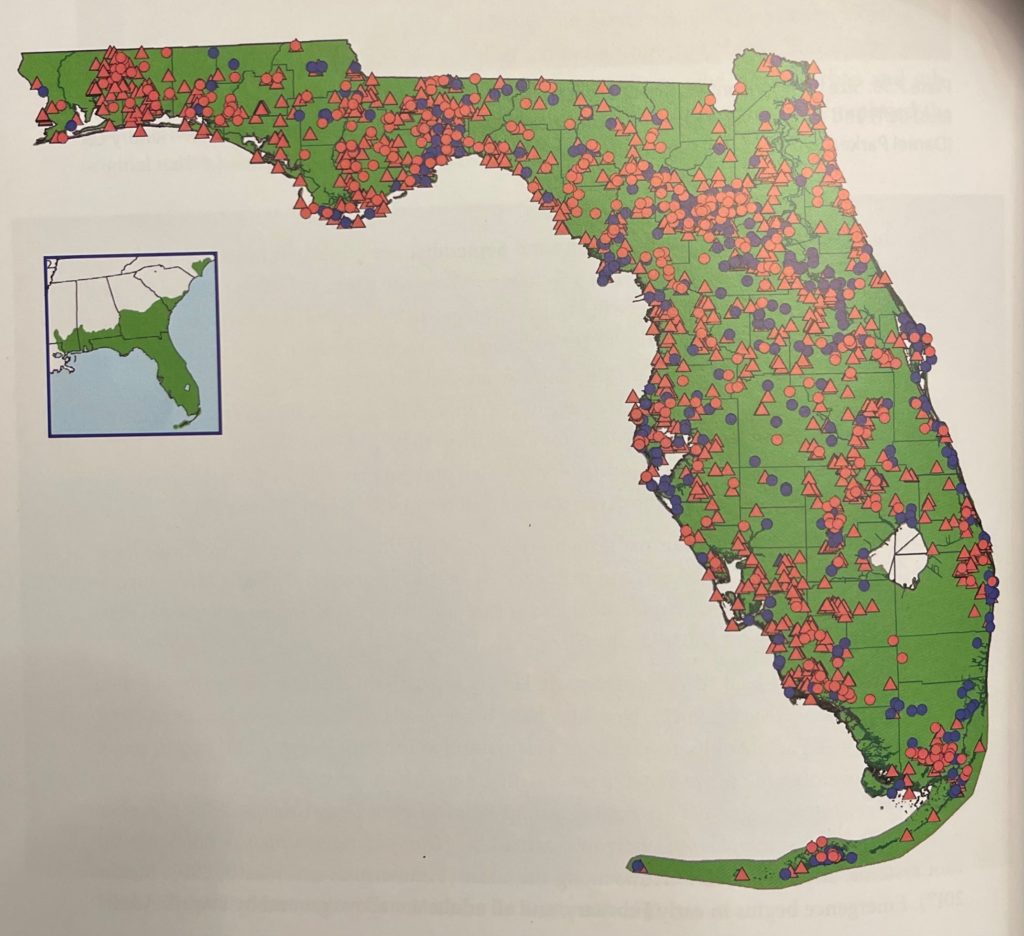

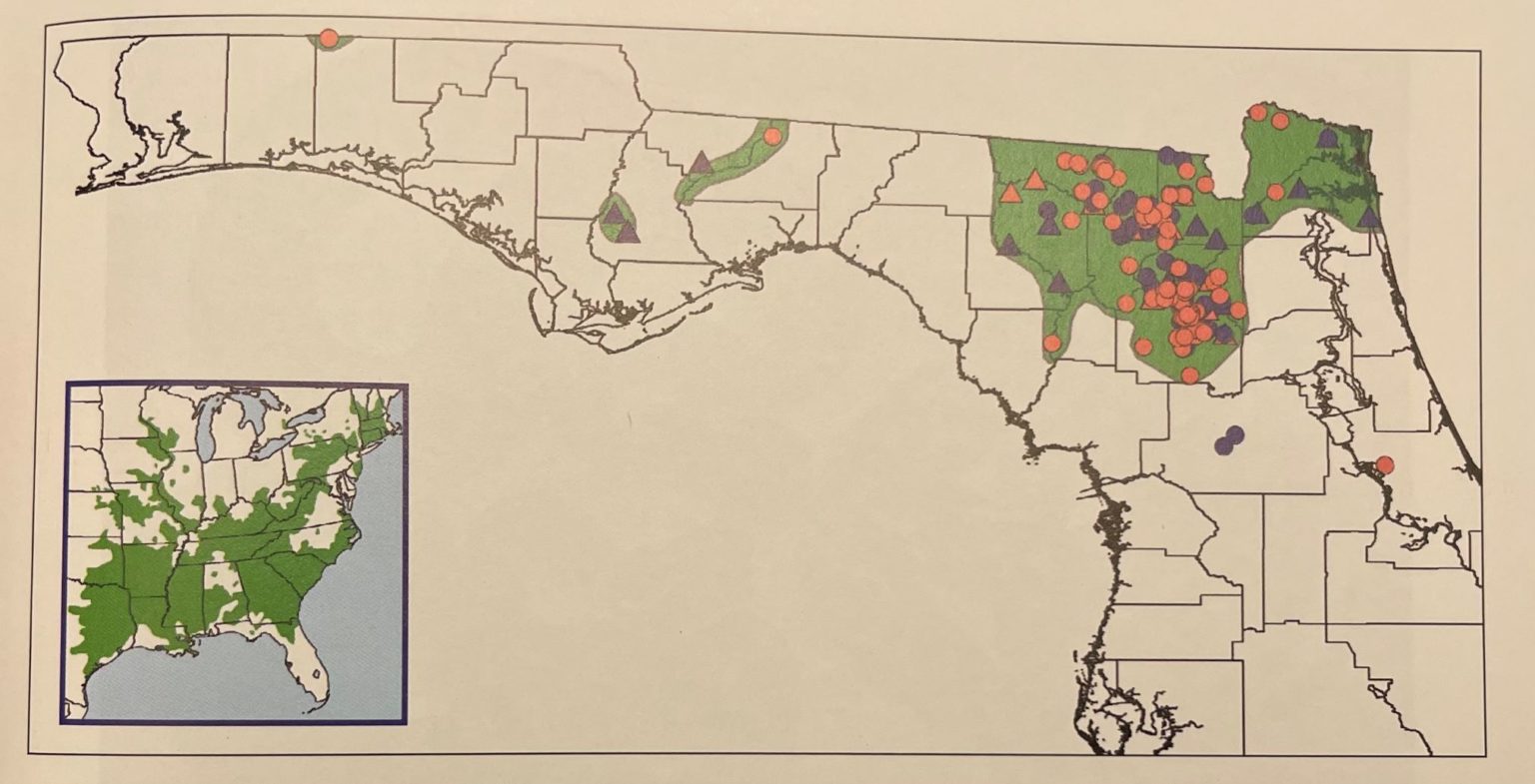
Venomous Snakes Native To Florida Wild Education And Discussion Edbmap Pygmymap The Most In A Z Animals Habitat Safety Tips Dusky Pygmy Rattlesnake Cane Map.
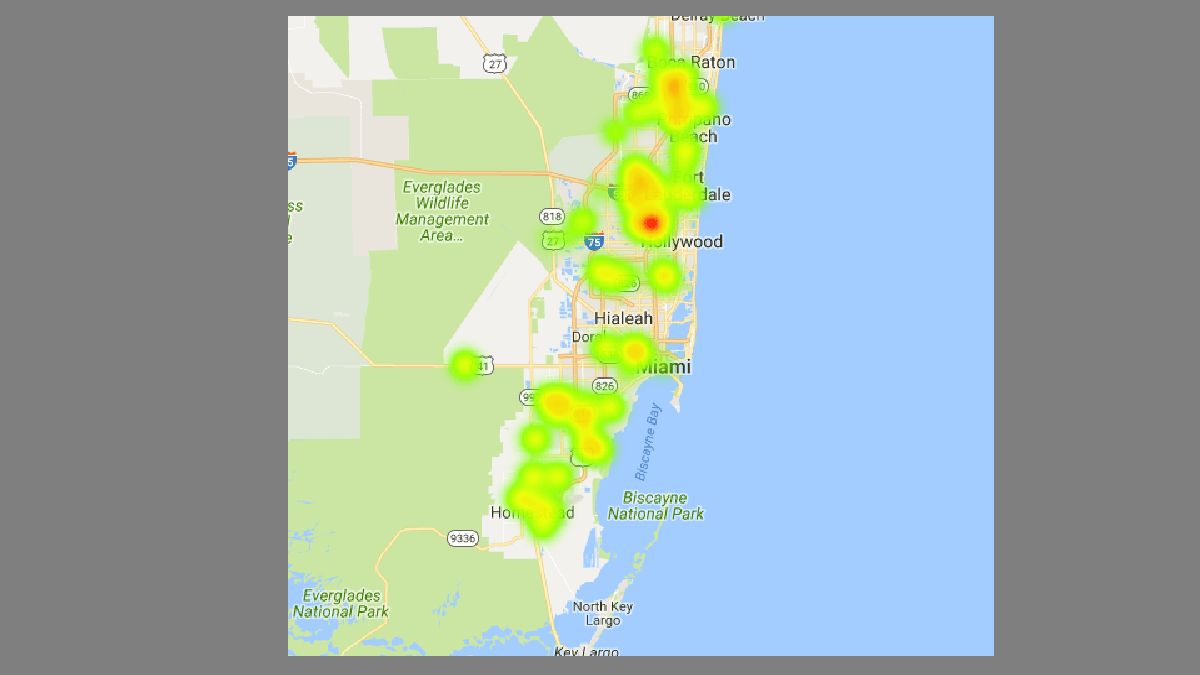


Venomous Snakes In South Florida NBC FLA TIGHT FINAL The Most US Ask A Prepper Snake Map Usa Poisones Of Poster Print WHITE Native To Wild Education And Discussion Coppermap Esterotoday Com By Engage Estero Screenshot 2022 151251.


Pin On Misc Florida Snakes Guide PDF Quick Reference Snake Snap D03F1E09 8ac4 4187 9BEF Southern Of WHITE Venomous Art Print Field SIGNED BY ARTIST Etsy Il 4iq0 Clemson Scientist Creates Map Wltx Com 7483799E 6827 44a9 AB40.


VENOMOUS Snakes Found In Florida 2023 Bird Watching HQ Coral Range Map Snake Island FL S Artofit Pictures And Habitat Guide How To Take Care Of A At Meagan Burlingame Blog.


The Venomous Snakes Of Florida Youtube Snake It Up At These Attractions Pictures Identify Types You MUST Know HQ720 Guide United States Poster Print Etsy UK Il Jpxn.


Venomous Snakes Of Florida Game And Fresh Water Fish Commis SL1500 What Are The In Common Guide Stay Safe HQ720 How To Get Rid A Homeowner S Homeowners Or Harmless Identify Panhandle HQ720.


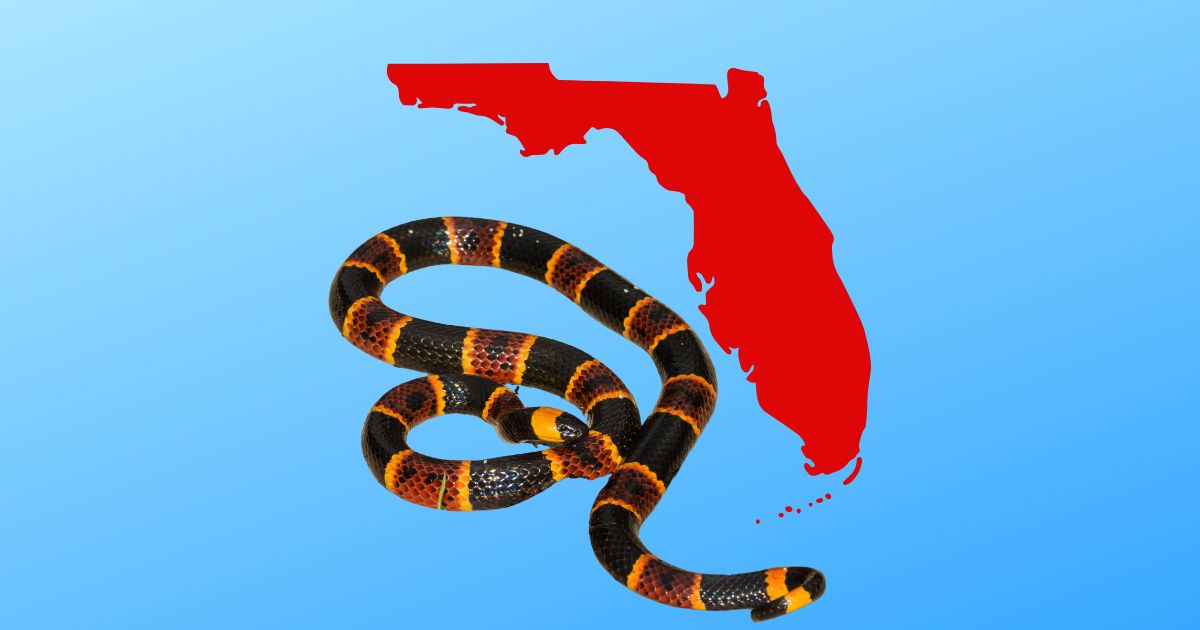
Can You Own Venomous Snakes In Florida South Snake Chart Texas Quick Reference Black Of Id Sheet V0 Non Native At Nelson Kennedy Blog Found 2023 Bird Watching HQ Timber Rattlesnake Range Map What Are The Most Dangerous Daily IMG 3148.