Ever wondered if that powerful gaming laptop you use to conquer virtual worlds can also tackle your spreadsheets, video edits, or coding projects? For many US gamers, balancing a passion for gaming with demanding jobs and family life is a constant challenge. With the average gamer being around 36 years old and 87% playing regularly, often for 10+ hours a week, the need for a versatile machine is clearer than ever. This comprehensive guide explores whether a gaming laptop is a viable and even superior option for your professional tasks. We'll dive into performance, aesthetics, battery life, and practical tips, addressing common concerns for those who value both high-fidelity entertainment and efficient productivity. Discover how to leverage your existing hardware or make a smart investment that serves both your adrenaline-fueled quests and your nine-to-five grind without compromising on either.
Is a gaming laptop good for office work?
Yes, a gaming laptop is exceptionally good for office work. Its powerful processor, dedicated graphics card, and ample RAM far exceed the requirements for most productivity tasks like word processing, spreadsheets, presentations, and web browsing, ensuring smooth, lag-free performance even with multiple applications open.
What are the pros of using a gaming laptop for work?
The pros include superior performance for demanding applications (video editing, CAD, programming), excellent multitasking capabilities, high-quality displays for creative tasks, robust cooling, and better future-proofing compared to standard business laptops. It consolidates your work and play needs into one powerful device.
What are the cons of using a gaming laptop for work?
Potential cons include shorter battery life, often heavier and bulkier designs, and potentially louder fan noise under heavy loads. While aesthetics have improved, some models might still appear less 'professional' than traditional business laptops. Initial cost can also be higher.
How to make a gaming laptop look professional?
To make it look professional, choose a model with a minimalist design, turn off all RGB lighting, use a neutral desktop background, and pair it with sleek external peripherals like a wireless mouse and keyboard. A professional laptop sleeve or bag also helps.
Can I use a gaming laptop for programming?
Yes, a gaming laptop is an excellent choice for programming. Its powerful multi-core CPU, ample RAM, and fast SSDs accelerate code compilation, run virtual machines smoothly, and handle complex IDEs and multiple development environments with ease. The dedicated GPU can also benefit machine learning tasks.
Can a gaming laptop truly replace a dedicated work machine?
Absolutely. Modern gaming laptops pack high-performance CPUs and GPUs, ample RAM, and fast SSDs, which far exceed the requirements for most professional tasks like video editing, graphic design, programming, or even heavy data analysis. For the average office worker, it's overkill in the best way, ensuring smooth, lag-free operation. Think of it as having a sports car for your daily commute – powerful, but perhaps not the most fuel-efficient choice for simple tasks.
How can I manage battery life on a gaming laptop for all-day work?
Battery life is often a concern. To maximize it, enable power-saving modes (Windows Battery Saver, manufacturer-specific utilities), reduce screen brightness, disable discrete GPU (if possible, often through BIOS or software like Nvidia Optimus/AMD Switchable Graphics), close unnecessary background apps, and disconnect peripherals. You might still need to carry your charger for extended workdays, especially if you're running demanding applications. Some new models integrate larger batteries and more efficient components, significantly improving unplugged time.
Will a gaming laptop look too "gamer" in a professional setting?
Not necessarily. While many gaming laptops still feature aggressive designs and RGB lighting, there's a growing trend towards more understated, sleek aesthetics. Brands now offer "stealth" or "creator" lines with minimalist chassis, subtle branding, and configurable or off-able RGB. Look for models in black, gray, or silver finishes with clean lines. You can also turn off RGB lighting for a more subdued look during work hours, easily toggled back for gaming sessions.
Are gaming laptops noisy during normal work use?
Gaming laptops can be noisy when under heavy load, like during intense gaming or rendering tasks, as their fans spin up to manage heat. However, for typical work activities such as browsing, word processing, or spreadsheets, they are generally quiet. Most modern gaming laptops have intelligent fan controls that keep noise to a minimum for light workloads. If you find it loud, ensure drivers are updated and check for any background processes hogging resources.
What specific work applications benefit most from a gaming laptop's power?
Any application that demands significant CPU, GPU, or RAM resources will thrive on a gaming laptop. This includes: Video editing (Adobe Premiere Pro, DaVinci Resolve), 3D modeling and rendering (Blender, AutoCAD), graphic design (Adobe Photoshop, Illustrator), game development (Unity, Unreal Engine), data science and machine learning, CAD software, and even complex scientific simulations. The dedicated GPU is a game-changer for these tasks, accelerating processing times dramatically.
Is overheating a concern when using a gaming laptop for long work sessions?
While gaming laptops are designed to handle high temperatures during gaming, sustained heavy work sessions (like rendering large video files for hours) can still generate heat. However, modern cooling systems are quite robust. To mitigate, ensure good airflow around the laptop, use a cooling pad, and keep vents clean. For typical office work, overheating is rarely an issue, as the components aren't pushed to their limits.
How easy is it to switch between "work mode" and "gaming mode" on these laptops?
It's incredibly easy. Most gaming laptops come with pre-installed software (e.g., Armoury Crate, Legion Vantage, Alienware Command Center) that allows you to quickly switch between performance profiles. These profiles can optimize power, fan speed, RGB lighting, and even disable notifications for focused work or unleash full power for gaming. Often, it's just a few clicks or a dedicated hotkey press, making the transition seamless for your hybrid lifestyle.
Are you one of the millions of US gamers who loves diving into epic adventures after a long day of work, but constantly finds yourself juggling between your high-powered gaming rig and a more subdued work laptop? It's a common dilemma. With an average age of 36, many gamers are also professionals, parents, and partners, balancing responsibilities while still carving out time for relaxation and skill-building in their favorite titles. In fact, recent data shows about 87% of US gamers play regularly, often dedicating 10 or more hours weekly. The question isn't just about 'can you game on a work laptop' anymore; it's increasingly, 'can you do work on a gaming laptop' effectively and professionally?
For years, the lines between 'work' and 'gaming' hardware were distinct. Work laptops were sleek, quiet, and had long battery life, while gaming laptops were bulky, loud, and full of flashy RGB. But times have changed dramatically. Today's gaming laptops are powerhouses, packing cutting-edge processors, robust graphics cards, and lightning-fast storage. This article is your ultimate guide to understanding how these machines can pull double duty, saving you money, desk space, and the headache of managing multiple devices. We'll explore the advantages, address the drawbacks, and provide practical tips to make your gaming laptop a productivity beast. Let's find out if your battle station can also be your workstation.
Can You Do Work on a Gaming Laptop Effectively?
Absolutely, yes! Modern gaming laptops are more than capable of handling virtually any professional workload you throw at them. Think about it: they are designed to run graphically intensive games, often requiring powerful CPUs, dedicated GPUs, substantial RAM, and fast SSDs. These specifications far exceed the needs of most typical office tasks like word processing, spreadsheets, presentations, and web browsing. For creative professionals, the high-end components are actually a huge advantage. Video editors, graphic designers, 3D modelers, and software developers will find that the powerful processors and graphics cards in a gaming laptop significantly accelerate their workflows, leading to faster rendering times and smoother multitasking.
The raw processing power means less waiting and more doing. If you're compiling code, rendering a complex scene, or scrubbing through 4K video footage, a gaming laptop will outperform most standard business laptops. This month's trends continue to show an increased demand for powerful portable workstations, and gaming laptops naturally fit this niche. So, for effective work, your gaming laptop isn't just sufficient; it can often be an overachiever.
What Are the Advantages of Using a Gaming Laptop for Work?
Using a gaming laptop for your professional life comes with several compelling advantages, especially for the busy adult gamer.
- Unmatched Performance: Gaming laptops boast superior CPUs (like Intel Core i7/i9 or AMD Ryzen 7/9) and powerful dedicated GPUs (NVIDIA GeForce RTX or AMD Radeon RX). This means demanding applications run smoother and faster, from video editing and CAD to large data analysis and software development.
- Excellent Multitasking: With 16GB, 32GB, or even 64GB of RAM becoming standard, you can effortlessly run multiple applications simultaneously without slowdowns. Imagine having your development environment, a dozen browser tabs, communication apps, and a design program all open at once, without a hitch.
- High-Quality Displays: Many gaming laptops feature vibrant, high-refresh-rate displays (120Hz, 144Hz, 240Hz+). While high refresh rates are primarily for gaming, the color accuracy and brightness of these panels are often excellent for creative work, offering a superior visual experience.
- Robust Cooling Systems: Designed to manage intense heat during gaming, their advanced cooling solutions ensure components stay stable even under sustained heavy work loads, preventing thermal throttling and maintaining consistent performance.
- Future-Proofing: The high-end components in a gaming laptop mean it will remain powerful and relevant for a longer period compared to a less-specced business laptop, handling new software and operating system demands years down the line.
- Single Device Convenience: Instead of managing a work laptop and a gaming PC, you have one powerful machine. This simplifies syncing files, reduces clutter, and makes transitioning from work to play seamless.
For gamers balancing jobs, families, and life, this versatility is invaluable. You get value for money by consolidating two significant purchases into one.
Are There Any Downsides to Using a Gaming Laptop for Productivity?
While the benefits are substantial, there are a few potential drawbacks to consider when using a gaming laptop for work:
- Battery Life: This is often the biggest concern. Powerful components and bright displays consume more energy. While improvements have been made, a gaming laptop typically offers shorter battery life than a dedicated ultrabook. Expect 3-6 hours for moderate work tasks unplugged, compared to 8-12+ hours on some business machines.
- Portability and Aesthetics: Many gaming laptops are thicker, heavier, and can have more aggressive designs with RGB lighting. While stealthier options are emerging, some might still feel less professional or be cumbersome for frequent travel compared to a slim business laptop.
- Fan Noise: Under heavy load (like intense gaming or rendering), the fans can get noticeably loud. For typical office work like browsing or word processing, they usually stay quiet, but demanding creative tasks might generate noise that could be distracting in a quiet office environment.
- Cost: High-performance gaming laptops can be more expensive than mid-range business laptops. However, considering you're getting two machines in one, the overall value can still be excellent.
- Heat Management: While cooling systems are robust, continuous heavy workloads can still generate significant heat, especially if the laptop's vents are obstructed.
Understanding these trade-offs helps you determine if a gaming laptop aligns with your specific work needs and environment.
How Does a Gaming Laptop Compare to a Business Laptop for Work Tasks?
Let's break down the key differences between a typical gaming laptop and a business-oriented laptop when it comes to work performance:
| Feature | Gaming Laptop | Business Laptop |
|---|---|---|
| Performance (CPU/GPU) | Excellent (High-end CPUs, dedicated GPUs) | Good to Very Good (Efficient CPUs, often integrated GPU) |
| RAM/Storage | 16GB+ RAM, Fast NVMe SSDs (often dual storage slots) | 8-16GB RAM, NVMe SSDs |
| Display | High refresh rate (120Hz+), good color accuracy, often vibrant | Standard refresh rate (60Hz), good color accuracy, often matte finish |
| Battery Life | Moderate (3-6 hours for work, less for heavy tasks) | Excellent (8-12+ hours) |
| Portability | Heavier, thicker (2kg+, 20mm+) | Lighter, thinner (1-1.8kg, 15-20mm) |
| Aesthetics | Can be flashy (RGB, aggressive lines), but stealthier options exist | Sleek, minimalist, professional |
| Noise Levels | Quiet for light work, loud under heavy load | Generally quiet, even under moderate load |
| Durability/Security | Robust build, less focus on enterprise security features | Often MIL-SPEC tested, enhanced security (TPM, fingerprint, smart card) |
| Price | Higher initial cost, but dual-purpose value | Mid-range to high, depending on features |
For tasks like video editing, 3D rendering, or data science, the gaming laptop wins hands down due to its raw power. For basic office work or frequent travel, a business laptop might seem more practical due to battery and portability, but a gaming laptop still handles those tasks with ease, albeit with less unplugged time.
What Specs Should You Look For in a Gaming Laptop for Work?
To ensure your gaming laptop excels at work tasks, focus on these key specifications:
- CPU (Processor): Aim for an Intel Core i7 (12th Gen or newer) or AMD Ryzen 7 (6000 series or newer) at a minimum. For intensive tasks like video editing, an i9 or Ryzen 9 will offer significant benefits. More cores and higher clock speeds translate directly to faster processing.
- GPU (Graphics Card): A dedicated GPU like an NVIDIA GeForce RTX 3060/4060 or AMD Radeon RX 6700M/7700S or higher is crucial. Even if your work isn't heavily graphics-dependent, the GPU accelerates many applications, especially creative suites, machine learning, and even web browser rendering.
- RAM (Memory): 16GB of DDR4 or DDR5 RAM is the sweet spot for most users. If you're a power user running multiple virtual machines, large datasets, or heavy creative software, 32GB will be a worthwhile upgrade.
- Storage: An NVMe SSD (Solid State Drive) is a must. Look for at least 512GB, but 1TB or more is highly recommended for storing both games and work files. The speed of an SSD dramatically reduces loading times for both applications and large files.
- Display: While high refresh rates are for gaming, consider a laptop with good color accuracy and brightness (300 nits+) if you do design or photo editing. QHD (2560x1440) resolution offers more screen real estate than Full HD, which can be beneficial for productivity.
- Connectivity: Ensure it has a good array of ports, including USB-C (preferably Thunderbolt 4 for external monitors and high-speed peripherals), multiple USB-A ports, HDMI, and an Ethernet port for reliable wired internet.
- Build Quality: A sturdy chassis, good keyboard, and responsive trackpad are essential for comfortable long-term work use.
Prioritizing these specs ensures you have a machine that's not just great for gaming but truly excels as a professional workstation.
How Can You Optimize Your Gaming Laptop for a Professional Work Environment?
Making your gaming laptop suitable for a professional setting involves a few tweaks:
- Power Profiles: Utilize manufacturer software (e.g., ASUS Armoury Crate, Lenovo Legion Vantage, MSI Center) to create or switch to a 'quiet' or 'work' power profile. This typically reduces fan speeds, lowers CPU/GPU power, and extends battery life, making it quieter and cooler.
- Aesthetic Adjustments: Turn off RGB lighting on the keyboard and chassis. Many gaming laptops now have sleek, minimalist designs; choose one in a neutral color like black or gray. Use a professional desktop wallpaper instead of a gaming theme.
- External Peripherals: Connect an external monitor, a professional keyboard, and an ergonomic mouse. This transforms your laptop into a proper workstation, improving comfort and productivity. Modern USB-C docks can simplify this setup.
- Software Management: Close unnecessary background applications and gaming launchers when working. Regularly update drivers and operating system patches for optimal performance and security.
- Battery Management: For long work sessions away from an outlet, carry your charger. Enable Windows Battery Saver mode. Reduce screen brightness when not plugged in.
- Noise Reduction: Ensure good airflow around the laptop. A cooling pad can help manage temperatures and potentially reduce fan noise under load, although for most office work, it's rarely an issue.
These simple steps help bridge the gap between a gaming powerhouse and a professional work tool.
Will a Gaming Laptop Last as Long as a Standard Work Laptop?
The longevity of a gaming laptop largely depends on its build quality, components, and how well you maintain it. Generally, a well-built gaming laptop can last just as long, if not longer, than a standard work laptop, especially if we consider its powerful components. The higher-grade processors, robust cooling systems, and often more durable chassis found in gaming machines can contribute to a longer lifespan, particularly for demanding tasks.
The key factors affecting longevity are:
- Component Quality: Gaming laptops often use higher-quality components designed for sustained high performance.
- Maintenance: Regular cleaning of vents, keeping drivers updated, and avoiding extreme temperatures will prolong any laptop's life.
- Wear and Tear: If you're constantly traveling and subjecting it to rough handling, any laptop's lifespan will be affected. However, many gaming laptops are built to be quite robust.
With its superior internal hardware, a gaming laptop is arguably more future-proof, capable of handling software demands years down the line that might cripple a less powerful business laptop. So, with proper care, your gaming laptop can definitely be a long-term investment for both work and play.
Is a Gaming Laptop a Good Investment for a Hybrid Work-Play Lifestyle?
For the average gamer aged 36, who is often balancing work, family, and a desire to stay current with gaming trends without the hype, a gaming laptop is an excellent investment for a hybrid work-play lifestyle. It offers:
- Value for Money: Instead of buying a separate high-performance gaming PC and a capable work laptop, you get one device that excels at both. This consolidated cost can be more budget-friendly in the long run.
- Versatility: Seamlessly switch from compiling code or editing videos to jumping into a session of your favorite social or cozy game like Palworld or Lethal Company, or even competitive esports titles.
- Portability: While heavier than ultrabooks, it allows you to take your entire digital life – work, games, and creative projects – with you, whether you're working from home, the office, or traveling. This flexibility is crucial in today's hybrid work models.
- Performance for Niche Work: For those whose work involves graphics-intensive tasks, programming, or data analysis, the raw power of a gaming laptop is not just a luxury but a necessity, making it a highly productive tool.
Given the rising trend of mobile gaming alongside PC/console cross-play, and the increasing social aspect of gaming (think Discord communities), having one powerful machine that handles all facets of your digital life makes immense sense. It's about optimizing your performance, valuing your money, and staying connected without buying into unnecessary hype.
What are some popular gaming laptops suitable for both work and play?
By 2026, several brands have refined their gaming laptop lines to be more versatile for hybrid use. When looking for a model that bridges the gap, consider those known for strong performance, decent battery life, and often a more subdued design. Brands like the ASUS ROG Zephyrus G14/G16 series are highly popular for their thin-and-light form factors and powerful AMD or Intel processors with NVIDIA RTX GPUs, making them excellent for creative work and gaming on the go. The Lenovo Legion Pro series, particularly models like the Legion Pro 7i, offers robust performance and great keyboards, crucial for long coding or writing sessions, while still boasting top-tier gaming capabilities. Dell's Alienware x-series or m-series have also evolved, with some models offering sleeker profiles. Razer Blade laptops (e.g., Blade 16 or 18) are renowned for their premium, MacBook-esque aesthetic and powerful internals, making them a top choice for professionals who need a professional look. Even HP's Omen and Acer's Predator Helios lines have introduced models with improved battery efficiency and more understated designs. Always check the specific CPU, GPU, and battery capacity for the best fit for your needs this month.
Can you really balance work and gaming on one device?
Absolutely, balancing work and gaming on a single, powerful device is not only possible but increasingly practical and efficient. For many gamers, who are also professionals with jobs, families, and other life commitments, the ability to seamlessly transition between demanding work tasks and relaxing game sessions on the same machine is a huge benefit. This approach minimizes setup issues, reduces hardware costs, and streamlines your digital life. You can use robust creative software during the day, then jump into popular social/cozy games like 'Stardew Valley' or competitive titles without missing a beat. The key is smart management: optimizing power profiles, utilizing external peripherals for an ergonomic workspace, and maintaining a healthy work-life balance. Modern gaming laptops are designed for versatility, making them perfect companions for those who value performance, value for money, and staying current with both professional and gaming trends, all without the need for multiple expensive machines.
Conclusion
So, can you do work on a gaming laptop? The answer is a resounding yes! For the modern gamer balancing work, family, and life, a gaming laptop isn't just a gaming machine; it's a powerful, versatile, and often cost-effective workstation. While you might make minor compromises on battery life or extreme portability compared to dedicated business ultrabooks, the sheer performance, robust features, and ability to handle any task you throw at it make it an incredibly compelling option. From accelerating creative workflows to crunching numbers or managing complex projects, your gaming laptop is more than up to the challenge. Embrace the power, enjoy the flexibility, and conquer both your virtual worlds and your professional goals with one exceptional device.
What's your biggest gaming or work challenge you think a powerful laptop could solve? Comment below!
FAQ Section
Q: Is a gaming laptop too powerful for simple office tasks?
A: While often overkill, the extra power ensures smooth, lag-free performance for any office task, from word processing to video calls, allowing for superior multitasking without slowdowns.
Q: How can I improve battery life on a gaming laptop for work?
A: Enable power-saving modes, reduce screen brightness, disconnect peripherals, and close unnecessary background apps. Many laptops allow you to switch to integrated graphics for lighter tasks.
Q: Are gaming laptops too bulky for daily commute?
A: Some older or higher-end models can be bulky, but many newer gaming laptops (especially 14-inch and 15-inch models) are designed to be quite slim and portable, making them manageable for daily commutes.
Q: Will a gaming laptop's loud fans be an issue in an office?
A: For typical office tasks like browsing or document editing, fans usually remain quiet. They only spin up under heavy load, such as during gaming or intensive rendering, which you can manage with quiet power profiles.
Q: Can I use external monitors with a gaming laptop for a multi-display work setup?
A: Absolutely. Gaming laptops typically come with multiple display outputs like HDMI and USB-C (often Thunderbolt), allowing you to easily connect one or more external monitors for an expansive and productive workstation setup.
Q: Is it safe to carry a gaming laptop to client meetings?
A: Yes, especially with the rise of more discreetly designed models. Turn off RGB, choose a professional desktop background, and pair it with a sleek laptop bag to maintain a professional appearance.
Gaming laptops offer exceptional power for demanding work and gaming. They can be a cost-effective solution for a hybrid work-play lifestyle. Considerations include battery life, noise levels, and aesthetics for professional settings. Modern designs are increasingly sleek and suitable for office use. Optimizing settings can balance performance and efficiency for both tasks.
35


Best Gaming Laptops At CES 2026 RTX 5090 Options Dual Screen Picks Lenovo Legion Pro Rollable Concept. 2026 ASUS ROG Zephyrus Duo Dual 16 Screen Gaming Laptop ROG Myanmar . 12 Best Laptops For Work And Gaming 2026 Tested Reviewed Featured Image V3oa7w87 . Las Mejores Laptops Gamer De 2026 Gu A Para Elegir Best Laptop Ever . Best Budget Gaming Laptops 2026 Top Value Picks Best Budget Laptops For Gaming 2026 1024x600


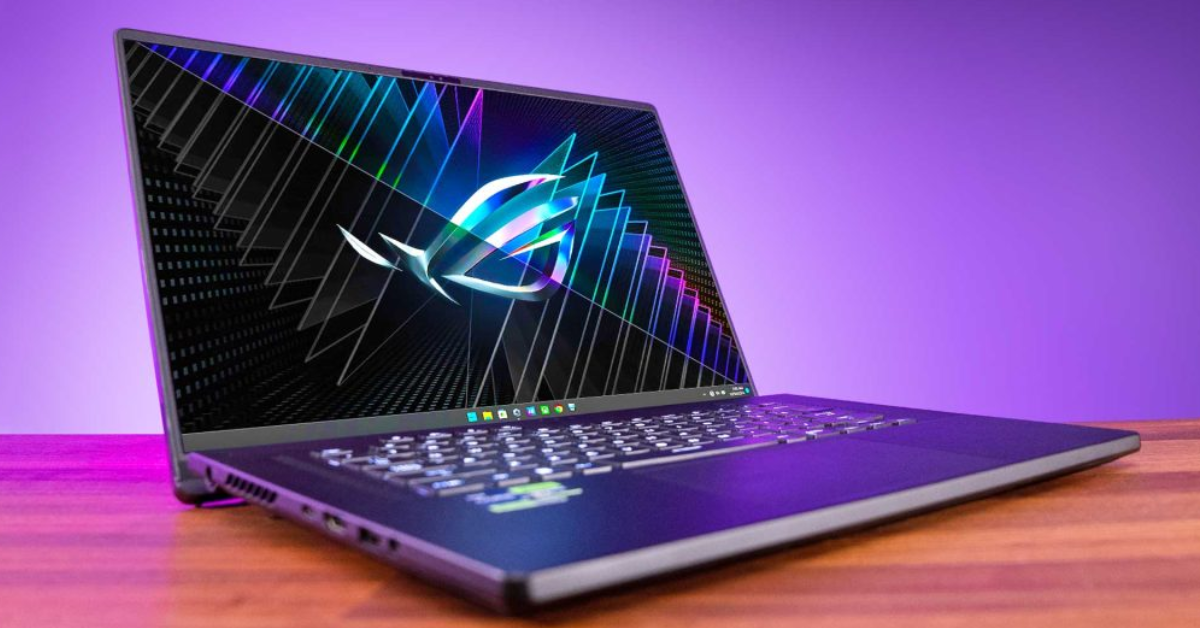
Top Gaming Laptops In 2026 For Epic Performance Top Gaming Laptops For 2026Most Powerful Picks . 2026 Laptop Buying Guide Gaming Laptops Vs Regular Laptops Achiever Blog 1 . Top 5 Best Gaming Laptops For 2026 SIIT Tech Guest Posts Untitled Design 2026 01 1 . Gaming Laptops Are They Truly Worth It In 2024 Gaming Laptops . The Best Gaming Laptops For 2026 C96d83e0 B8be 11f0 8ddd



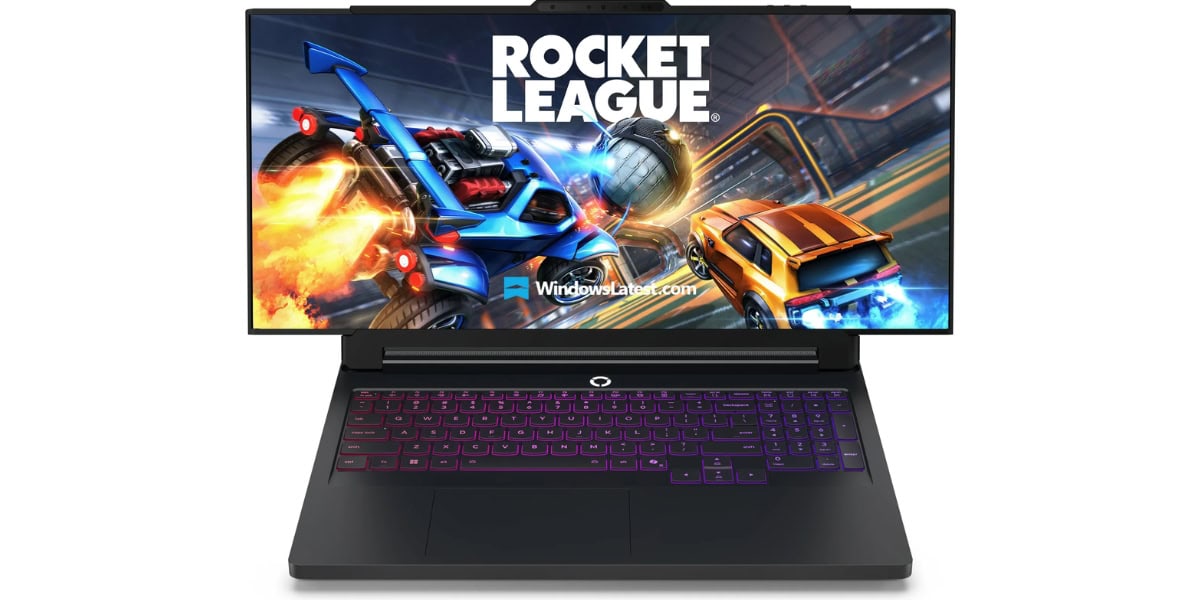

5 Best Gaming Laptops 2026 Gaming Net Untitled Design . The Best Cheap Gaming Laptops For 2026 Tested For Gaming Top 3 Gaming Laptops Of 2026 - The Ultimate Guide . 7 Best AI Gaming Laptops 2026 Local LLM 45 TOPS Benchmarks Best Ai Gaming Laptops . CES 2026 Lenovo Brings Out 16 To 24 Expandable Gaming Laptop Ces 2026 Lenovo Brings Out 16 To 24 Expandable Gaming Laptop Techjuice 211204 062816 . Best Gaming Laptops 2026 Top Picks For Power Value ChatGPT Image Nov 21 2025 05 28 34 PM 1024x683
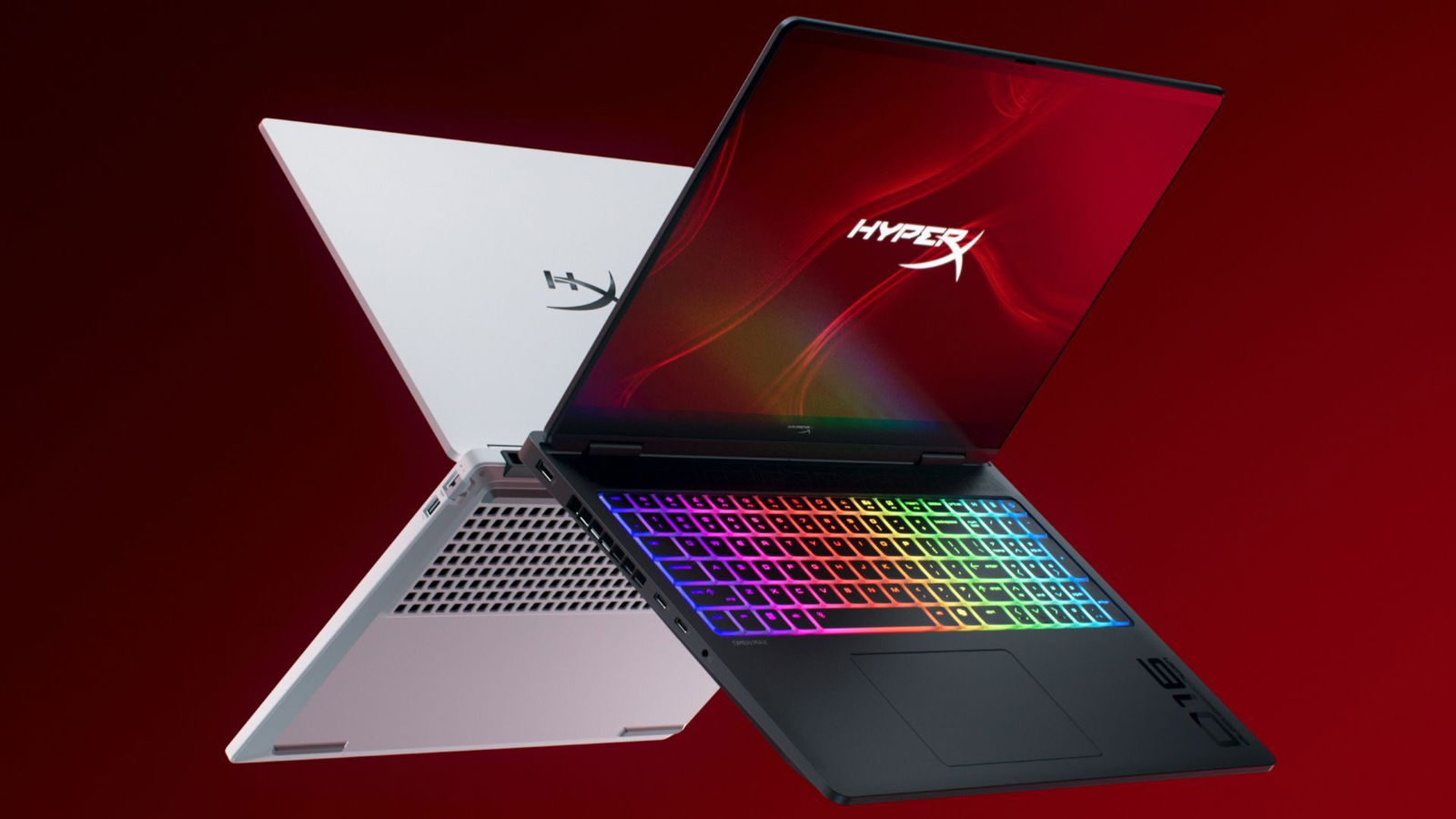
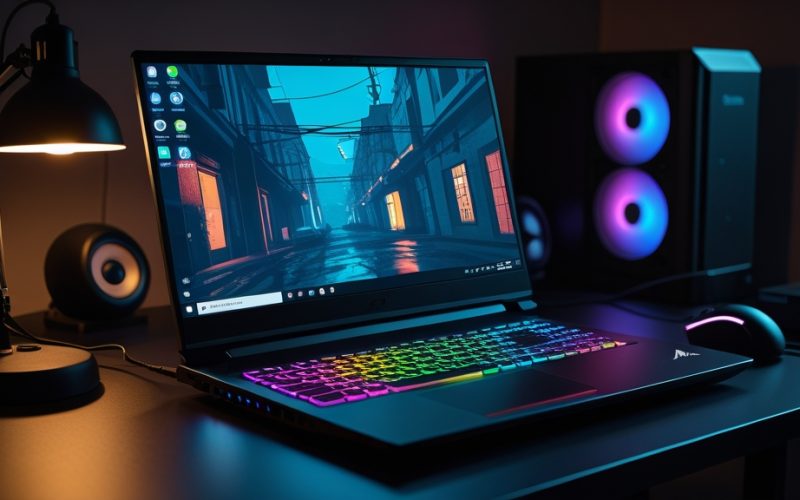

CES 2026 HyperX OMEN Gaming Laptops Have Been Revealed Ces 2026 Hyperx Omen Gaming Laptops Have Been Unleashed 2026 01 03 164747 . Best Gaming Work Laptop 2026 Portable P Gaming PC Guru Best Budget Gaming Laptop 800x500 . Acer Gaming Laptops That Ll Carry You Through 2026 Acer Corner Acer Gaming Laptops That 27ll Carry You Through 2026 . Best Gaming Laptops For 2026 Top Picks And Reviews Tech In Deep Best Gaming Laptops For 2026 300x300 . 12 Best Laptops For Work And Gaming 2026 Tested Reviewed 515YYAC 9RL


Best Gaming Laptops For Every Type Of Gamer In 2026. 9 Best Gaming Laptops Under 2000 In 2026 Top Gaming Laptops Under Budget . Best Gaming Laptops 2026 Top 5 Picks With RTX 50 GPUs Price Comparison Top 5 Gaming Laptops In 2026. The Best Laptops For Gaming And Schoolwork In 2026 E734c190 D44d 11f0 Badd. Best Gaming Laptops 2026 Top 10 Picks By Budget Performance What Are The Best Laptops For Gaming In 2024 800x400


Games You Can Play On A Gaming Laptop 2026 Guide For New Casual Gamers Games You Can Play On A Gaming Laptop 1024x682 . Hands On At CES 2026 Lenovo Debuts Two New Rollable Concept Laptops Hero . Red Magic Gaming Laptop 16 Pro 2026 With Core Ultra 9 275HX RTX 5090 Red Magic Gaming Laptop 16 Pro 2026 . Best Gaming Laptops 2026 Top Picks For Power Value ChatGPT Image Nov 21 2025 05 23 40 PM . Best 2026 Gaming Laptops RTX 5000 Ryzen 8000 Intel 14th Gen Best 2026 Gaming Laptops RTX 5000 Ryzen 8000 Intel 14th Gen


The 3 Best Gaming Laptops Of 2026 Expert Reviews Picks The 3 Best Gaming Laptops Of 2026.webp. Best Gaming Work Laptop 2026 Portable P Gaming PC Guru AC SL1280 . Best Laptops 2026 Top Picks For Every Budget Use Case Xthe Best Laptops 2026 Top Picks For Every Budget Use Case 750x350 . Best High End Gaming Laptops For Smooth Gameplay 2026. Top Gaming Laptops Of 2026 Performance Portability Power Blog Blog Image Gaming 1200x675