Ever built something amazing in Roblox, only to find textures on your welded parts acting weird? Flickering, disappearing, or just not looking right can be a real headache for creators. This comprehensive guide dives deep into the often-overlooked world of "roblox weld texture" issues, offering practical solutions for creators balancing life and passion. We'll explore why these visual glitches happen, from understanding the basics of Roblox's physics and rendering to advanced troubleshooting techniques. Learn how to optimize your builds for seamless texture application, ensure performance for diverse player devices, and create more immersive experiences. For busy gamers and creators who value efficiency and quality, mastering weld textures means less frustration and more time enjoying the creation process or playing with friends. Get ready to transform your Roblox building skills and solve those nagging texture problems with expert tips and tricks, keeping your creations looking polished and professional for the millions of players logging in daily.
What is the most common reason for Roblox weld texture problems?
The most common reason for Roblox weld texture problems is Z-fighting, which occurs when two surfaces are exactly or nearly co-planar. The graphics engine struggles to decide which surface to render, causing a flickering or disappearing effect on the textures.
How do I fix flickering textures on welded parts in Roblox Studio?
To fix flickering textures on welded parts, first check for Z-fighting. Slightly adjust the position of one of the parts by a tiny increment (e.g., 0.001 studs) along an axis to create a small gap or intentional overlap. This helps the rendering engine differentiate the surfaces, resolving the flicker.
Can changing a part's material affect how its texture appears when welded?
Yes, changing a part's material can affect how its texture appears, even when welded. The `Material` property defines base visual characteristics like reflectivity, smoothness, and light interaction. A custom `TextureID` is layered on top, so the underlying material can subtly influence the texture's final look and feel.
Why are my custom textures not showing up on welded parts in Roblox?
If your custom textures aren't showing on welded parts, check if the `TextureID` property is correctly set with a valid asset ID. Ensure `StudsPerTile` is configured appropriately; very high values can make textures appear almost invisible. Also, verify the part isn't fully transparent, and that Roblox Studio has properly loaded the texture asset.
Does a 'WeldConstraint' handle textures differently than a classic 'Weld'?
No, from a texture rendering perspective, `WeldConstraints` and classic `Welds` should not inherently handle textures differently. Both primarily establish a physical connection. Texture rendering is governed by the individual `Part` properties (Material, TextureID, StudsPerTile), not the type of weld itself. WeldConstraints are generally more stable for general use.
What tools in Roblox Studio can help with aligning textures on welded objects?
While there isn't a single tool specifically for 'weld textures', tools like the `Move` and `Scale` tools, combined with precise increment settings, are crucial for avoiding Z-fighting and aligning parts perfectly. You can also use the 'Properties' window to fine-tune `TextureID` and `StudsPerTile` values for consistent scaling across welded surfaces.
How can I ensure textures look consistent across multiple welded parts of a model?
To ensure consistent textures across multiple welded parts, apply the same `TextureID` and, critically, the same `StudsPerTile` value to all relevant parts. This makes the texture scale uniformly. For complex models, designing a single texture atlas in an external program and then applying different sections to parts can achieve a highly cohesive look.
Can having too many textured welds impact game performance on Roblox?
Yes, having an excessive number of complex textured welds, especially with unique or high-resolution textures, can impact game performance. While welds are efficient, many individual parts with separate textures increase draw calls and memory usage, potentially lowering frame rates on less powerful devices. Optimizing part count and texture assets is key.
Are there any 'trick' materials that can help hide weld seams or texture breaks?
Using specific Roblox materials like 'SmoothPlastic' with low 'Reflectance' or 'Glass' with high 'Transparency' can sometimes subtly mask minor weld seams or texture breaks if they're very small. However, the best approach is always to correctly align parts and textures to prevent breaks, rather than trying to hide them.
Why do textures sometimes 'pop in' or load slowly on welded parts in Roblox games?
Textures 'popping in' or loading slowly on welded parts is often due to Roblox's streaming system, especially if the `StreamingEnabled` property is active in your game. This feature prioritizes loading visible parts. Large textures, or parts far from the player, might be streamed in later, causing a delayed appearance. Optimization helps mitigate this.
Ever poured hours into a brilliant Roblox creation, only to watch its textures behave erratically on welded parts? It's a common creator headache. Those flickering, misaligned, or outright disappearing textures can instantly break immersion, making your meticulously crafted world feel unfinished. For many of us balancing demanding jobs, family life, and our gaming passions, these technical hiccups are frustrating time-wasters. We game and create to unwind, build something cool, or connect with friends, not to wrestle with obscure rendering bugs. If you've ever thought, "There has to be a better way to handle Roblox weld texture issues," you're in the right place.
This guide is designed for the seasoned Roblox creator and the ambitious newcomer alike – anyone who wants their builds to look their best without sacrificing precious time. We'll demystify why "roblox weld texture" problems occur, how to prevent them, and proven methods to fix them when they pop up. With 87% of US gamers regularly diving into virtual worlds and many spending 10+ hours a week, a polished, performant experience is more crucial than ever. Roblox creators, many of whom are busy adults, are constantly seeking ways to optimize their workflow and elevate their creations. Let's make sure your next project looks exactly how you envisioned it, with textures that stick around and shine.
What Exactly Is a Roblox Weld and How Does It Relate to Textures?
In Roblox Studio, a Weld is a crucial instance used to permanently connect two parts together, making them act as a single, rigid object. Think of it like superglue for virtual bricks. When you weld parts, their relative positions and orientations are locked. This is fundamental for creating complex structures, vehicles, or interactive elements that move as one. The relationship between welds and textures becomes apparent because textures are applied to individual parts. When parts are welded, they're treated as a unit for physics, but their individual texture properties and rendering characteristics still apply. If a weld isn't stable or if parts overlap in an unexpected way, it can confuse Roblox's rendering engine, leading to visual artifacts or issues with how textures are displayed on the combined object.
Why Do Textures Sometimes Glitch or Disappear on Welded Parts in Roblox?
Several factors can cause textures to glitch or disappear on welded parts. One common culprit is Z-fighting, which occurs when two surfaces are exactly or nearly co-planar. The graphics card struggles to determine which surface should be rendered on top, causing flickering. Another reason can be incorrect part sizing or scaling, especially when scaling parts down to a very thin dimension, making their textures harder to render reliably. Moreover, Roblox's streaming enabled feature, which optimizes game loading by streaming parts as needed, can sometimes cause textures on less significant welded parts to pop in late or appear to flicker as they load. Outdated graphics drivers or even minor bugs within Roblox Studio itself can also contribute, though these are less frequent for core weld texture issues.
How Can I Prevent Common Roblox Weld Texture Issues During Building?
Prevention is always better than a fix. To minimize "roblox weld texture" problems, always ensure your parts have a slight gap or overlap intentionally when welding, avoiding perfect co-planar surfaces that cause Z-fighting. Use the 'Material' property wisely; sometimes specific materials interact differently with textures, especially custom ones. Keep your part counts reasonable for complex objects, as excessive parts, even if welded, can still strain the renderer. Regularly test your builds in Play mode to catch issues early. Furthermore, consider the size of your textures; overly large textures on small, welded parts can sometimes lead to rendering inefficiencies. Ensuring all parts are anchored before welding, if appropriate for your build, can also help establish a stable foundation.
What Are the Best Practices for Applying Textures to Welded Roblox Models?
For seamless textures on welded models, start by applying textures to individual parts *before* welding them together. This ensures each part has its intended visual property. When possible, use Roblox's built-in materials as a base, then overlay custom textures as needed, as built-in materials are generally optimized for performance. If you're creating complex models, consider using fewer, larger parts with appropriate texture tiling rather than many tiny, individually textured pieces. Utilize the 'TextureId' property on the Part to assign image textures, and adjust 'TextureMode' and 'StudsPerTile' for proper scaling. For consistent texture alignment across welded surfaces, ensure the surface normals are oriented correctly, often by using the 'Surface' property (though largely deprecated for new creations, it's relevant for older builds or specific use cases).
Are There Specific Properties of Welds or Parts That Affect Texture Rendering?
While welds themselves primarily handle physics connections, the properties of the *parts* being welded are critical for texture rendering. Key part properties include `Material`, `Color`, `Transparency`, `TextureID`, `StudsPerTile`, and `SurfaceType`. The `Material` property determines the base visual characteristics (e.g., Plastic, Metal, Fabric), which can influence how a custom `TextureID` appears. `Transparency` directly impacts visibility. `StudsPerTile` is vital for how your image texture scales across the part's surface. Incorrect `StudsPerTile` values can make textures look stretched or pixelated. While less common now, older `SurfaceType` properties (like Smooth, Glue, or Inset) could also indirectly affect how textures aligned at part boundaries. Understanding these part properties is crucial to manipulating "roblox weld texture" effectively.
How Do I Troubleshoot Flickering or Misaligned Textures on Welded Objects?
Troubleshooting flickering or misaligned textures on welded objects requires a systematic approach. First, check for Z-fighting: slightly move one of the welded parts along its axis (e.g., 0.001 studs) to create a tiny gap. If the flickering stops, Z-fighting was the cause. Second, inspect `StudsPerTile` values on all affected parts; inconsistent scaling can lead to misalignment. Third, examine `Transparency` levels; sometimes a slightly transparent part might appear to flicker against another. Fourth, temporarily remove the weld to see if the textures render correctly on individual parts, helping isolate if the weld itself or the part properties are the issue. Fifth, test with different materials. Lastly, ensure your Roblox Studio and graphic drivers are up-to-date, as updates often include rendering fixes.
Can Scripting Influence Roblox Weld Texture Behavior, and How?
Absolutely, scripting can heavily influence "roblox weld texture" behavior, particularly dynamically. Scripts can change a part's `TextureID`, `StudsPerTile`, `Transparency`, `Material`, or even its `Color3` property in real-time. For instance, a script could dynamically swap textures on a welded panel when a player activates it, or gradually change a material's appearance to show damage. Scripts can also create or destroy `Welds` or `WeldConstraints`, which can immediately alter how parts are visually grouped and rendered. When scripting dynamic textures on welded parts, it's crucial to manage performance carefully. Frequent texture changes on many parts can lead to lag, especially on mobile devices, which are a dominant platform for Roblox, with social gaming features being a top draw. Efficient scripting ensures these visual changes enhance the experience without hindering performance.
What Are the Performance Implications of Complex Textured Welds in Roblox?
While welds themselves are relatively lightweight, the complexity of the parts they connect and their textures can significantly impact performance. A high number of unique parts, especially those with custom high-resolution textures or complex meshes, can increase draw calls and memory usage, even when welded. This can lead to lower frame rates, particularly on less powerful devices like older phones or tablets, affecting a large segment of Roblox's user base. To optimize, strive for a balance: use texture atlases where possible to reduce individual texture loads, keep custom texture resolutions reasonable, and consolidate smaller, identical parts into single, larger parts or union them if their geometry is static. Minimizing transparency overlaps and Z-fighting also reduces rendering strain, ensuring your game runs smoothly for everyone, allowing players to focus on the fun and social aspects without performance woes.
Are There Alternative Methods to Welding for Connecting Textured Parts?
Yes, while `Welds` and `WeldConstraints` are the primary methods for rigid connections, other options exist depending on your needs. For visually connected but physically independent parts (e.g., a decorative overlay), simply positioning parts very close without welding can work, though they might separate under physics. For static models, using `Unions` or `Meshes` (exported from 3D software like Blender) can combine multiple textured parts into a single, optimized asset. This is often the best approach for complex, static structures as it reduces part count and can improve rendering performance. For dynamic or animated connections, `Motor6Ds` are used for skeletal animation, allowing textured parts to move relative to each other in a predefined way. Choosing the right connection method is key to both functionality and visual integrity, including how "roblox weld texture" problems are managed.
How Do Modern Roblox Updates Impact Weld Texture Stability?
Roblox is constantly evolving, and its engine updates frequently. These updates often bring improvements to rendering, physics, and sometimes even introduce new ways to handle materials and textures. Historically, updates have addressed Z-fighting, improved streaming capabilities, and optimized how textures are loaded. However, new updates can also, inadvertently, change subtle behaviors that might affect existing builds' weld texture stability. For instance, changes to the material pipeline or how specific shaders interact with textures could lead to previously stable textures appearing differently. Staying informed with Roblox's developer blog and testing your creations in newly updated Studio versions are best practices. Most changes aim to enhance the platform, but a proactive approach helps ensure your "roblox weld texture" always looks as intended, keeping your builds relevant and engaging for the modern Roblox player.
FAQ Section
Do materials override weld textures?
No, materials do not override weld textures directly. A Part's `Material` defines its base visual properties (like reflectivity or roughness), while a `TextureID` applies an image over that material. They work in conjunction. The texture is rendered on top of the chosen material's characteristics.What is a WeldConstraint vs. a Weld in terms of texture?
`WeldConstraints` are generally preferred in modern Roblox development. They connect parts similarly to `Welds` but are more stable and easier to manage, especially when parts are moved or parented. From a texture perspective, both `Weld` and `WeldConstraint` should maintain texture integrity equally, assuming the parts' properties are set correctly.Can I animate textures on welded parts?
Yes, you can animate textures on welded parts using scripts. By changing a part's `TextureID` or `StudsPerTile` property over time via a script, you can create scrolling textures, animated patterns, or dynamic visual effects on welded objects.Why is my welded part transparent sometimes?
A welded part appearing transparent intermittently could be due to its `Transparency` property being set, Z-fighting issues making it appear partially occluded, or a rendering bug related to graphics drivers or specific camera angles. Check the `Transparency` property first, then look for co-planar surfaces.Is there a plugin to help with weld textures?
While there aren't many plugins specifically for "weld textures," general building and part alignment plugins (like GapFill or Build Tools) can indirectly help by making it easier to position parts precisely and avoid Z-fighting, which prevents texture issues before they start.How often should I test my weld textures?
It's wise to test your weld textures frequently, especially after major structural changes, applying new materials or textures, or before publishing updates. Regular testing in various game modes (Studio Play, Player testing, and published game) helps catch issues across different environments and devices.What does 'StudsPerTile' do for weld textures?
`StudsPerTile` controls how many Roblox studs one tile of your texture image covers. Adjusting this value scales the texture on the part. For welded parts, consistent `StudsPerTile` values across connected surfaces are crucial for making a texture appear seamless and correctly scaled.Conclusion
Mastering "roblox weld texture" issues can feel like a small battle, but it's one worth winning for any serious creator. By understanding the fundamentals of welds, being mindful of part properties, and applying these troubleshooting techniques, you can ensure your creations consistently look professional and polished. For busy adult gamers who crave quality and efficiency, these tips mean less time debugging and more time enjoying the creative process or sharing your fantastic builds with the thriving Roblox community. Remember, a visually stable game is a more engaging game, encouraging players to relax, socialize, and explore your world. Keep building, keep creating, and make those textures stick!
What's your biggest Roblox building challenge right now? Share your thoughts and tips in the comments below!
Understanding Roblox weld texture behavior, common visual glitches like flickering or disappearing textures on welded parts, practical troubleshooting steps for creators, optimizing performance with efficient weld and texture application, the impact of Roblox updates on texture rendering, and best practices for smooth, consistent visual experiences in your builds.
35
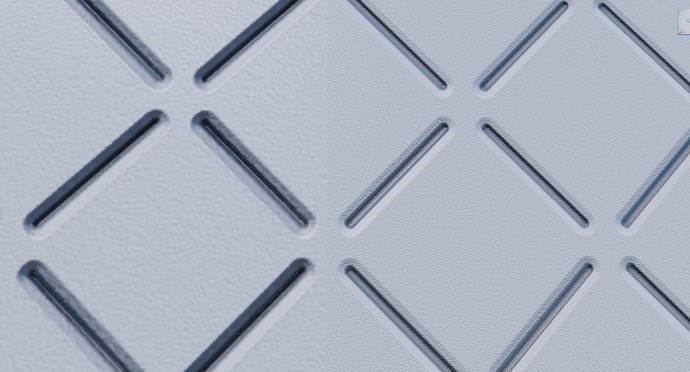

Source Image Of Weld SurfaceType Texture Art Design Support . HD Stud Materials And Creation Pipeline Now With Welds Community 2 690x372 . How To Weld Parts In Roblox Studio . Weld Texture Roblox NoFilter. Asset Preview NoFilter


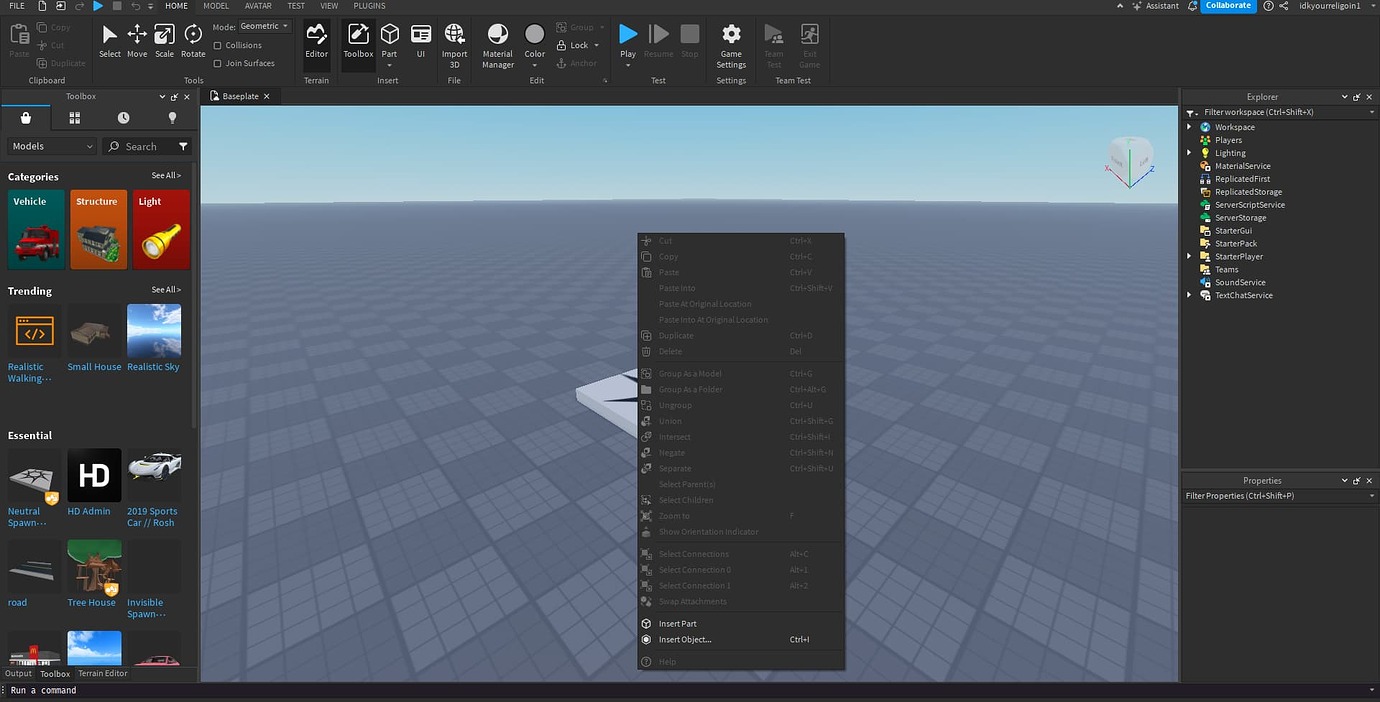
Classic Stud Weld Texture On Unions Building Support Developer . Super Weld Plugin Community Resources Developer Forum Roblox . Fastest Way To Stick Or Welding Parts Together In Roblox Studio YouTube . How To Weld Parts Together In Roblox Studio YouTube . Studio Making Automatic Welds Platform Usage Support Developer 2 1380x702


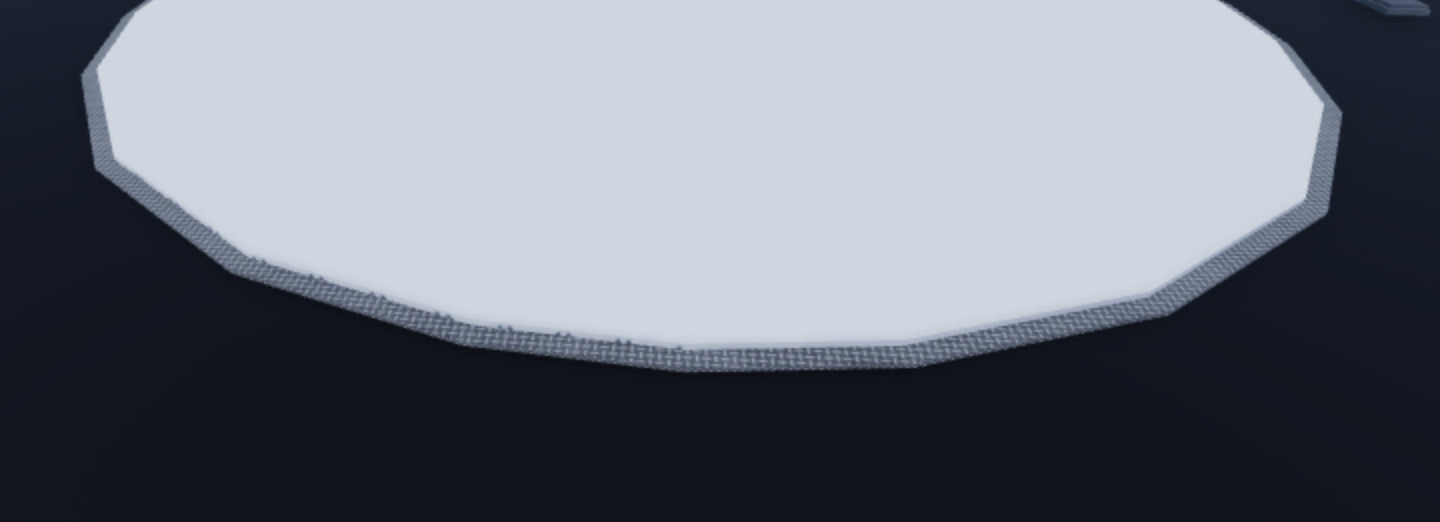
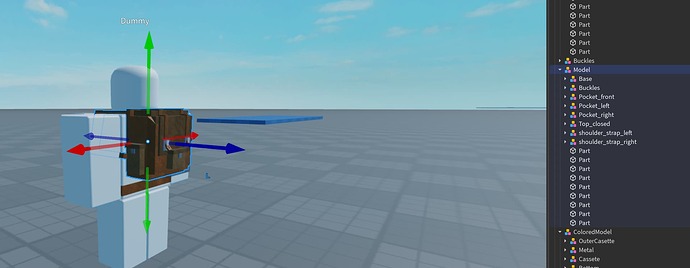

Easy Welding Roblox YouTube Hqdefault . Source Image Of Weld SurfaceType Texture Art Design Support . Source Image Of Weld SurfaceType Texture Art Design Support . How To Weld A Model With Multiple Parts To A Players Character 2 690x268 . What Is Weld In Roblox Studio How To Use YouTube


Roblox Scripting Tutorials 7 Simple Welding And YouTube . Roblox Studio How To Weld YouTube . How To Weld Parts Together Roblox Studio YouTube . What Are WELDS In Roblox Studio YouTube . EASIEST WAY TO WELD PARTS TOGETHER Roblox Tutorial



ROBLOX Tutorial Welding Script YouTube . 1 Reason I M Going Insane Fandom 755. Classic Stud Weld Texture On Unions Building Support Developer . Weld BrickPlanet . How To Make STUD TEXTURE In Roblox Studio 2026 YouTube




ROBLOX Textures 436 Dev Textures Mod For Source Engine Source Mods . Old Roblox Weld Texture NoFilter. How To Get Back The Old Stud Texture EASILY Includes Meshes Unions 2 690x289 . Importing Texture Art Design Support Developer Forum Roblox . How To Get Back The Old Stud Texture EASILY Includes Meshes Unions


Asset Preview NoFilter. How Would I Be Able To Find The 2014 Studs Inlets And Universal . Source Image Of Weld SurfaceType Texture Art Design Support 2 689x278 . How To Weld Parts To Character Roblox Studio YouTube . Roblox Png